
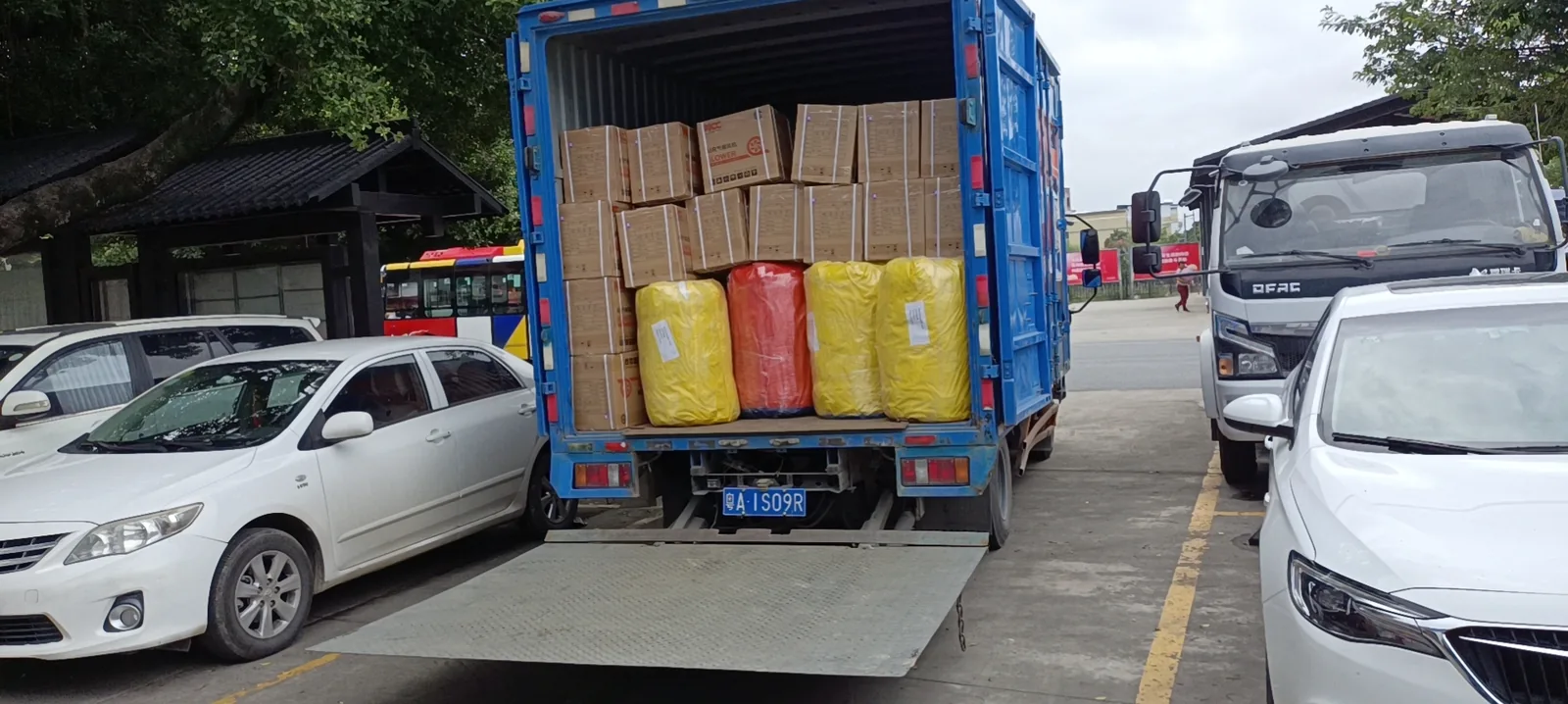
Import planning protects the delivery schedule and helps a buyer understand the cost and responsibility beyond the factory gate. This guide is written for buyers who need a practical way to compare options, prepare a stronger brief and reduce avoidable risk before placing an order.
Start with the destination
For international distributors, rental businesses, parks, event companies and procurement teams importing from China, comparing factory quotations without confirming packed volume, documents, destination terms, customs responsibilities and delivery timing is rarely caused by one isolated choice. It usually begins when a product is selected from a photograph and the operating context is discussed later. A commercial inflatable has to fit a real site, a real audience, a real team and a real booking or visitor schedule. That is why importing inflatables from china: shipping, packing and document checklist should begin with the business model and the operating environment, not with a favorite color or a single supplier quotation.
Start by writing down where the attraction will be used, who will supervise it, how often it will be inflated, how it will be transported and what happens when the season changes. Then define the decision that matters most: packed dimensions, weight, shipping mode, Incoterm, destination, documents, insurance, customs and delivery access. This creates a useful brief for both the buyer and the manufacturer. It also gives the buying team a way to compare suppliers on evidence instead of marketing language. A good brief does not need to be complicated; it needs to describe the conditions that the final product must handle.
Understand packed volume
The next step is to translate the idea into measurable requirements. For this topic, the buyer should discuss packed dimensions, weight, shipping mode, Incoterm, destination, documents, insurance, customs and delivery access. These details influence the shape, material, construction, accessories, packing and expected service routine. They also influence the quotation. A supplier who asks useful questions about the site and application is helping to reduce risk, not making the buying process difficult.
Use a simple comparison sheet with one row for each supplier and columns for the agreed specification, the evidence supplied, the assumptions made and the items still to confirm. Note whether the quotation covers design, revisions, production inspection, accessories, packing, documents, freight and after-sales communication. This prevents a low headline price from being compared with a more complete offer. It also makes the final approval easier because every important decision is visible in one place.
Clarify trade and freight terms
A commercial product must work after the excitement of the first delivery. It should support receiving, unloading, inspection, storage, installation and reporting any transit issue. That means the design review needs to consider access, customer movement, staff sightlines, cleaning, shutdown and storage. These are not secondary details. They determine how quickly the team can prepare a booking, how confidently staff can supervise the attraction and how much time is needed between customers or events.
Ask the supplier to explain the functional assumptions behind the proposed design. Where do users enter and exit? Which areas receive the most contact? Where are the blower connections and anchor points? How does the unit pack? Can a staff member inspect the whole product? When these questions are answered before production, the buyer can adjust the layout while changes are still affordable. The goal is not to remove every design decision; it is to make the important decisions before materials are cut.
Prepare the document set
Quality is easier to manage when it is described as a process. For this purchase, ask about what is included in packing, which documents are available, how the shipment is measured, who arranges freight and how damage is reported. A professional factory should be able to explain who reviews the design, how the approved file is controlled, how materials and construction are checked, how the finished unit is tested and how the shipment is prepared. Buyers do not need to stand beside every sewing machine, but they do need a clear chain of responsibility.
Request evidence that relates to the actual product rather than a generic factory photograph. Useful evidence can include a design approval record, material information, production-stage photographs, final inflation inspection, measurements, packing photographs and available compliance documents. The evidence should answer a question: does the finished unit match the approved brief, and is it ready for the buyer's operating environment? This approach strengthens trust without turning the order into unnecessary administration.
Protect receiving and inspection
The landed and operating cost is broader than the factory unit price. Include product, packing, freight, insurance, duties, clearance, destination handling, delivery and installation when comparing options. A product that is cheaper to buy but difficult to transport, slow to set up or hard to repair can cost more across its working life. Conversely, a product with a clear design, suitable material, efficient packing and dependable support can create value even when its initial quotation is not the lowest.
Ask for assumptions in writing. Confirm what is included in the product, what is optional, how the product is packed, which documents are supplied, which party arranges freight and what happens if a problem is found. If the order is seasonal, work backward from the opening date and leave time for design approval, production inspection, shipping and receiving. This is especially important for international distributors, rental businesses, parks, event companies and procurement teams importing from China, because a late attraction can miss the period when demand is highest.
Plan the whole delivery window
A practical workflow for this decision is: quote, production schedule, inspection, packing list, shipping booking, export documents and receiving inspection. Each stage should have an owner and a clear approval point. The buyer owns the business requirements and final approval. The supplier owns the manufacturing interpretation and should identify conflicts or missing information early. Logistics partners may own the freight movement, but the buyer still needs a delivery plan that includes receiving, inspection and installation.
Keep the final product record in a shared folder. It should include the approved design, final dimensions, material specification, artwork, accessories, packing information, documents, inspection evidence, delivery details and support contact. This record helps with repeat orders, staff training, warranty questions and future product comparisons. It also turns one purchase into a reusable business asset rather than a collection of emails that is difficult to find later.
A buyer's working checklist
Before approving the order, confirm packed dimensions, weight, shipping mode, Incoterm, destination, documents, insurance, customs and delivery access. Then check the following practical points: using product dimensions instead of packed dimensions; not confirming destination voltage or accessories; leaving customs responsibility unclear; and not photographing the shipment at receipt. These are common places where an attractive product can become difficult to operate or expensive to correct.
A useful final question is: if this unit arrives tomorrow, does the team know how it will be received, installed, inspected, operated, cleaned, stored and supported? If the answer is not clear, the design or quotation is not finished yet. Ask the factory to close the gap before production rather than trying to solve it after shipment.
How YIC supports the conversation
YIC Inflatable Sports Co Ltd supports OEM and ODM discussions for international distributors, rental businesses, parks, event companies and procurement teams importing from China. The company works with a 3D design and production workflow so that artwork, dimensions, layout and commercial requirements can be reviewed before manufacturing. The standard buying terms are MOQ 1 unit and custom dimensions, with the final specification confirmed for each project.
For a useful first reply, send the product idea, application, approximate size, artwork or reference, quantity, destination and target timing. Include any requirement related to receiving, unloading, inspection, storage, installation and reporting any transit issue. YIC can then discuss the appropriate category, design direction, production information and quotation path. The purpose of the first conversation is to make the next decision clearer, not to force a generic product into a project that needs a better fit.
- using product dimensions instead of packed dimensions
- not confirming destination voltage or accessories
- leaving customs responsibility unclear
- not photographing the shipment at receipt
Questions buyers ask
What shipping information should be included in a quote?
Ask for packed dimensions, gross weight, number of packages, shipping method, trade term, destination assumptions and document availability.
Why are packed dimensions important?
Freight cost and handling depend on the packed shipment, not the inflated display size of the attraction.
Who handles customs clearance?
Responsibility depends on the agreed trade term. Confirm the buyer's and supplier's responsibilities in writing.
What should I do when the shipment arrives?
Inspect packaging and contents promptly, photograph any damage, compare the packing list and report issues through the agreed process.
Turn the brief into
a factory conversation.
Send your application, reference image, target size, quantity and delivery country. YIC can discuss the right product category, custom design path and quotation.
Get a factory quote ->Free 3D design ->WhatsApp YIC